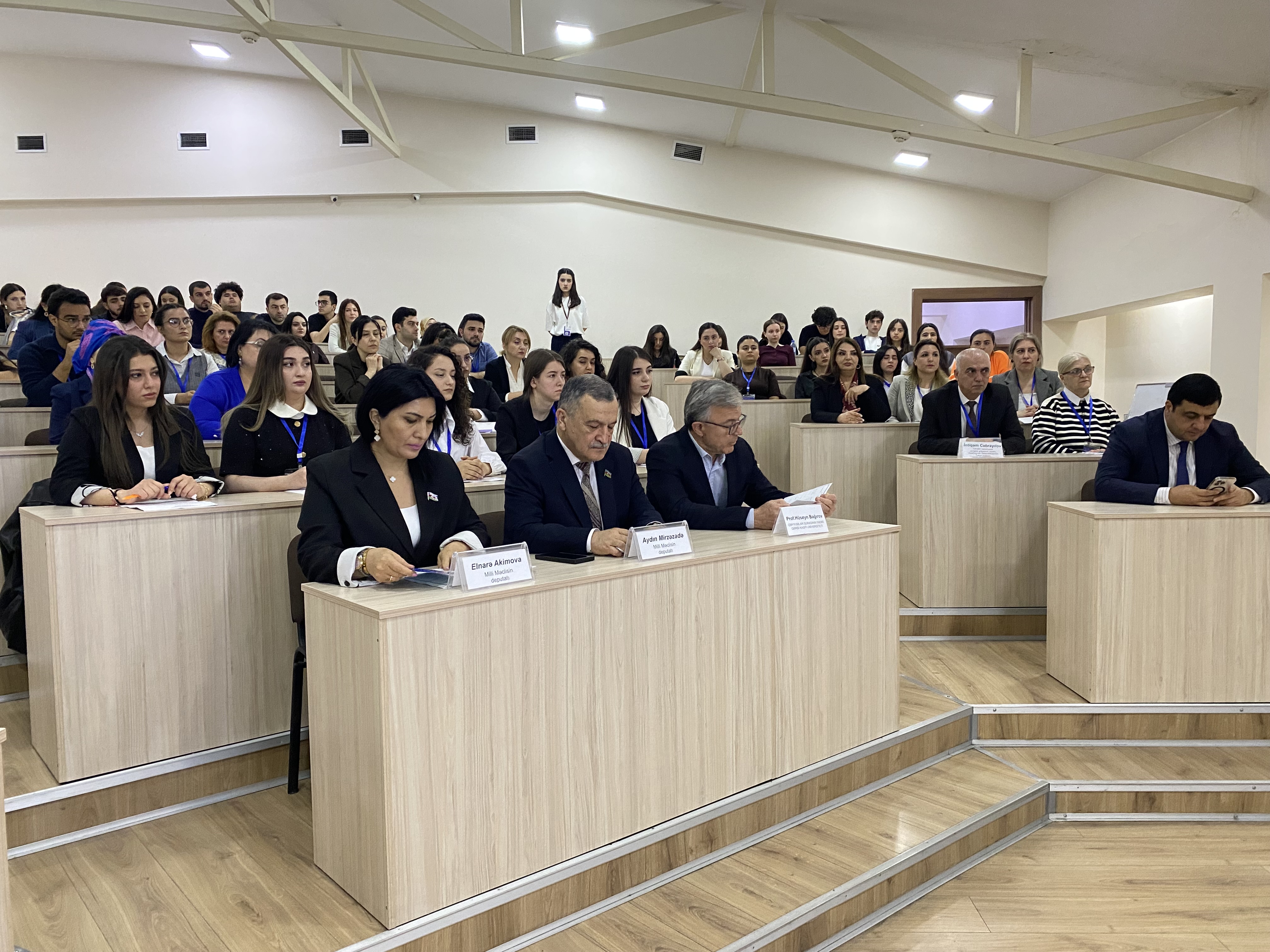
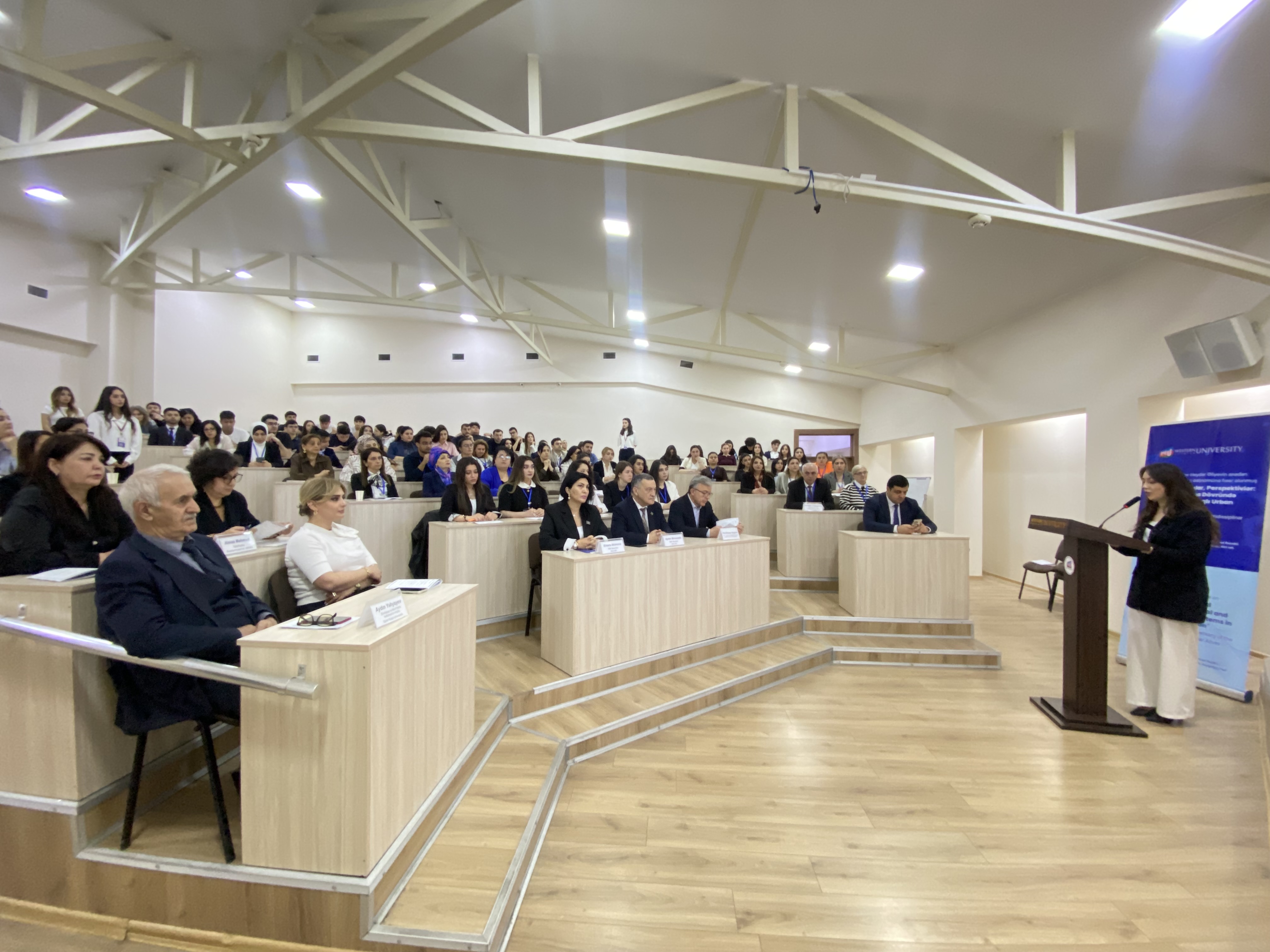
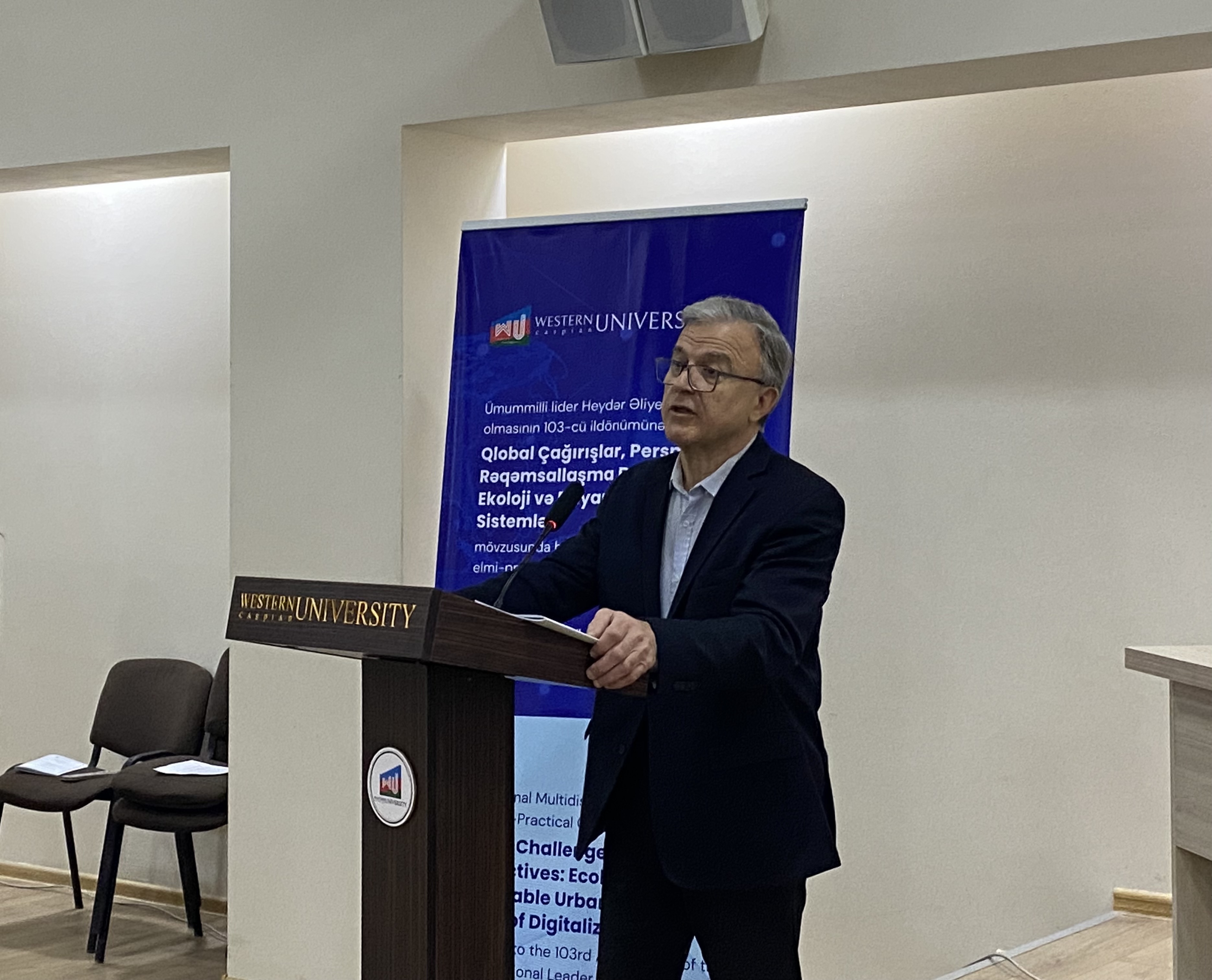
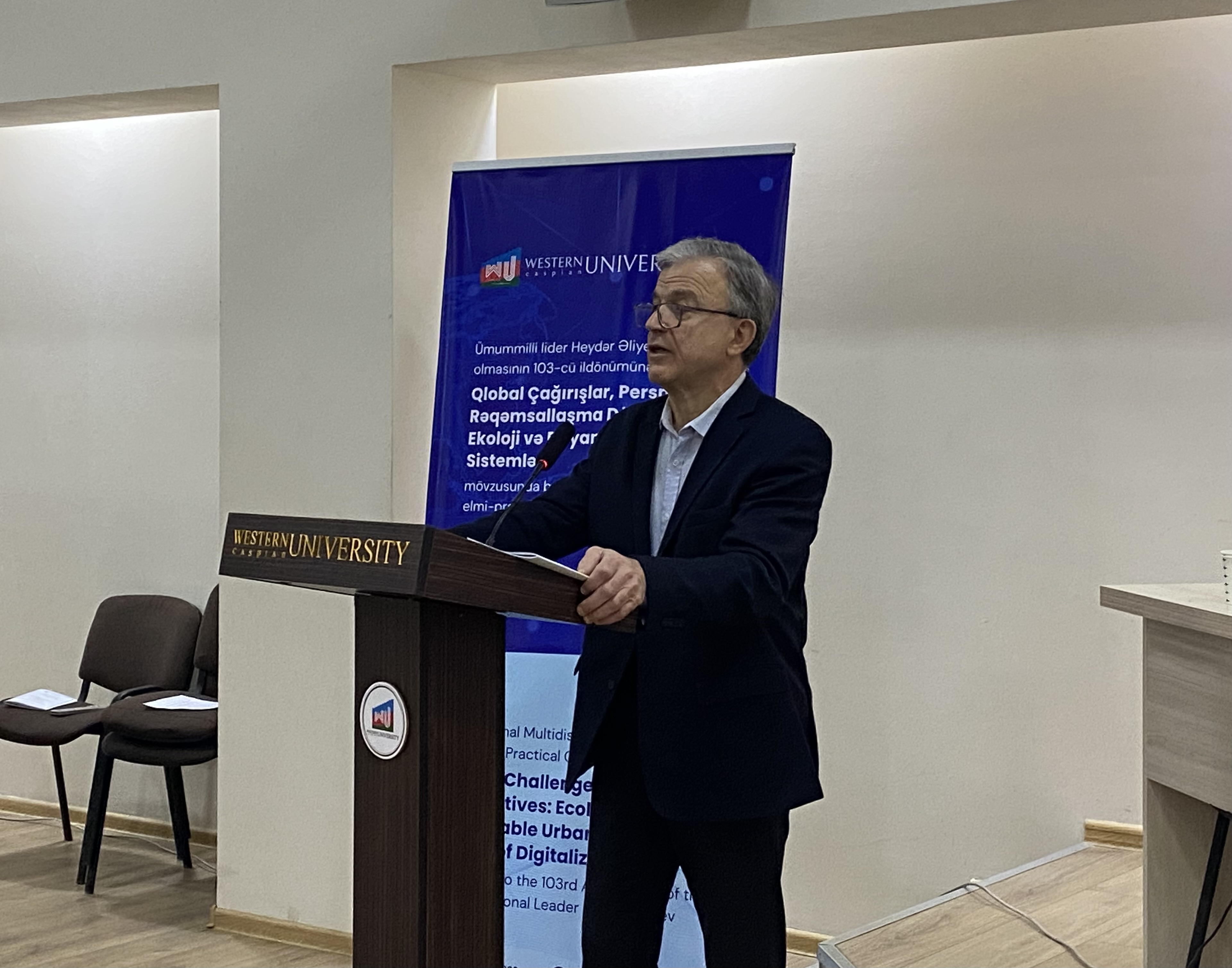
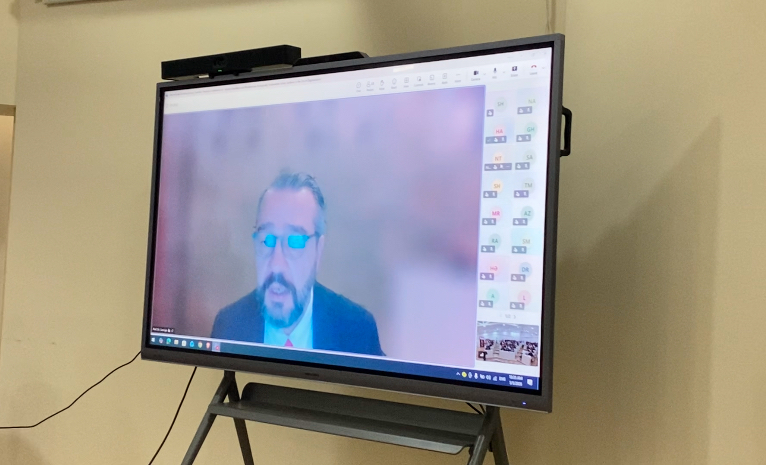
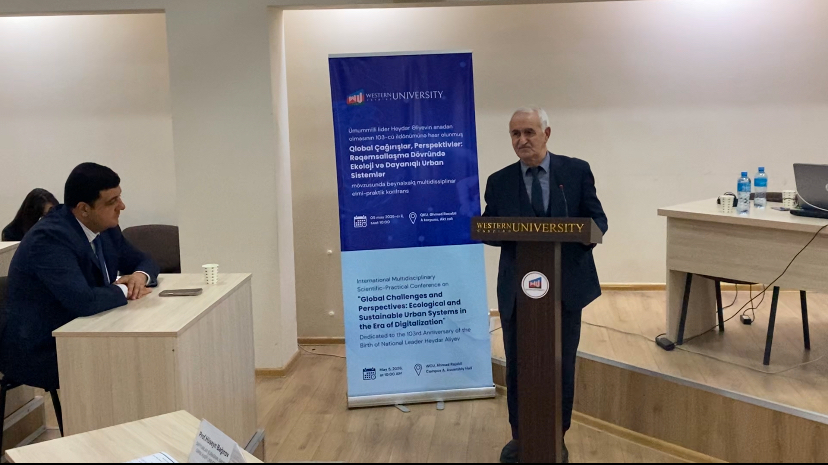
An international scientific-practical conference was held at WCU: “Global Challenges and Prospects: Ecological and Sustainable Urban Systems in the Era of Digitalization”
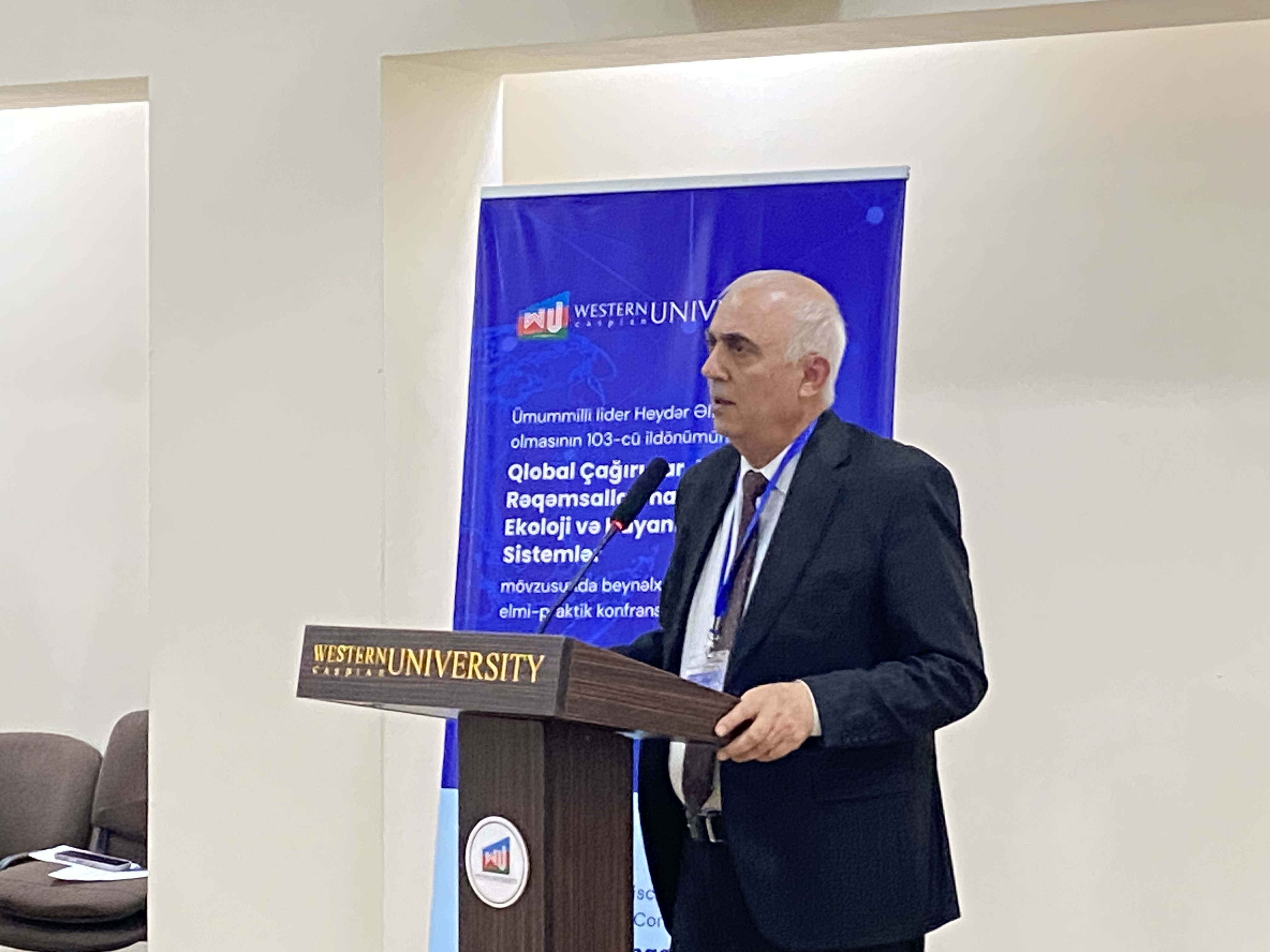
At Western Caspian University, an international multidisciplinary scientific-practical conference entitled “Global Challenges and Prospects: Ecological and Sustainable Urban Systems in the Era of Digitalization” was held, dedicated to the 103rd anniversary of the birth of the National Leader Heydar Aliyev.
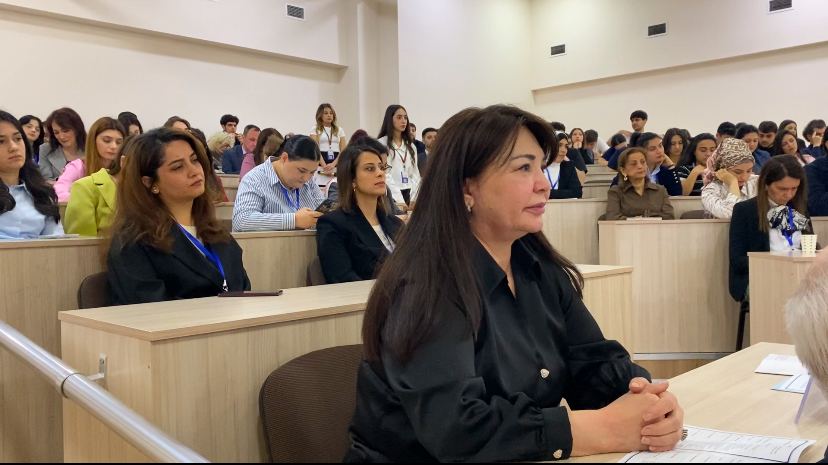
During the opening ceremony, the leadership of Western Caspian University delivered speeches highlighting the significance of the conference, the importance of ensuring ecological sustainability in the era of digitalization, and the development prospects of urban systems.
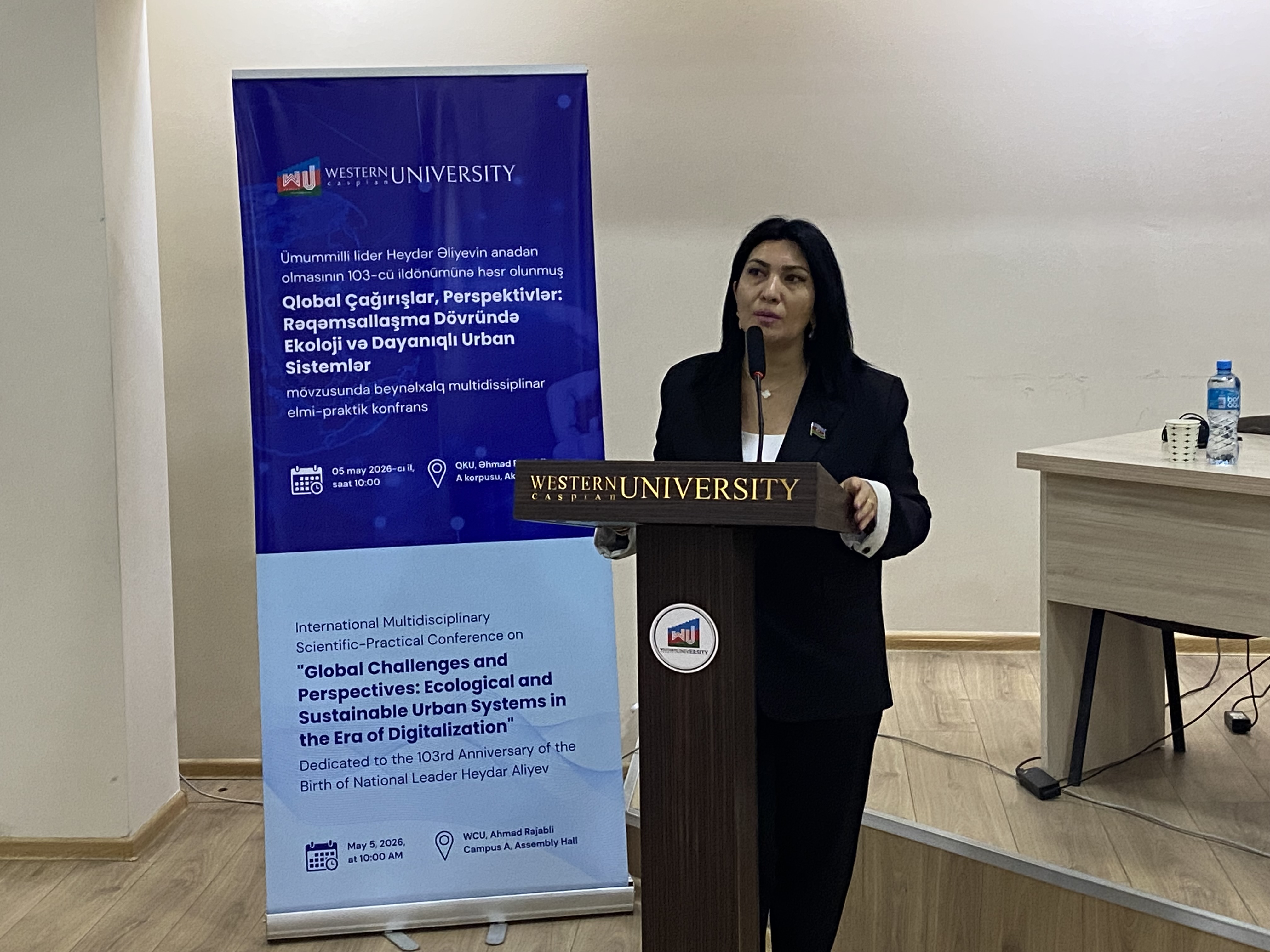
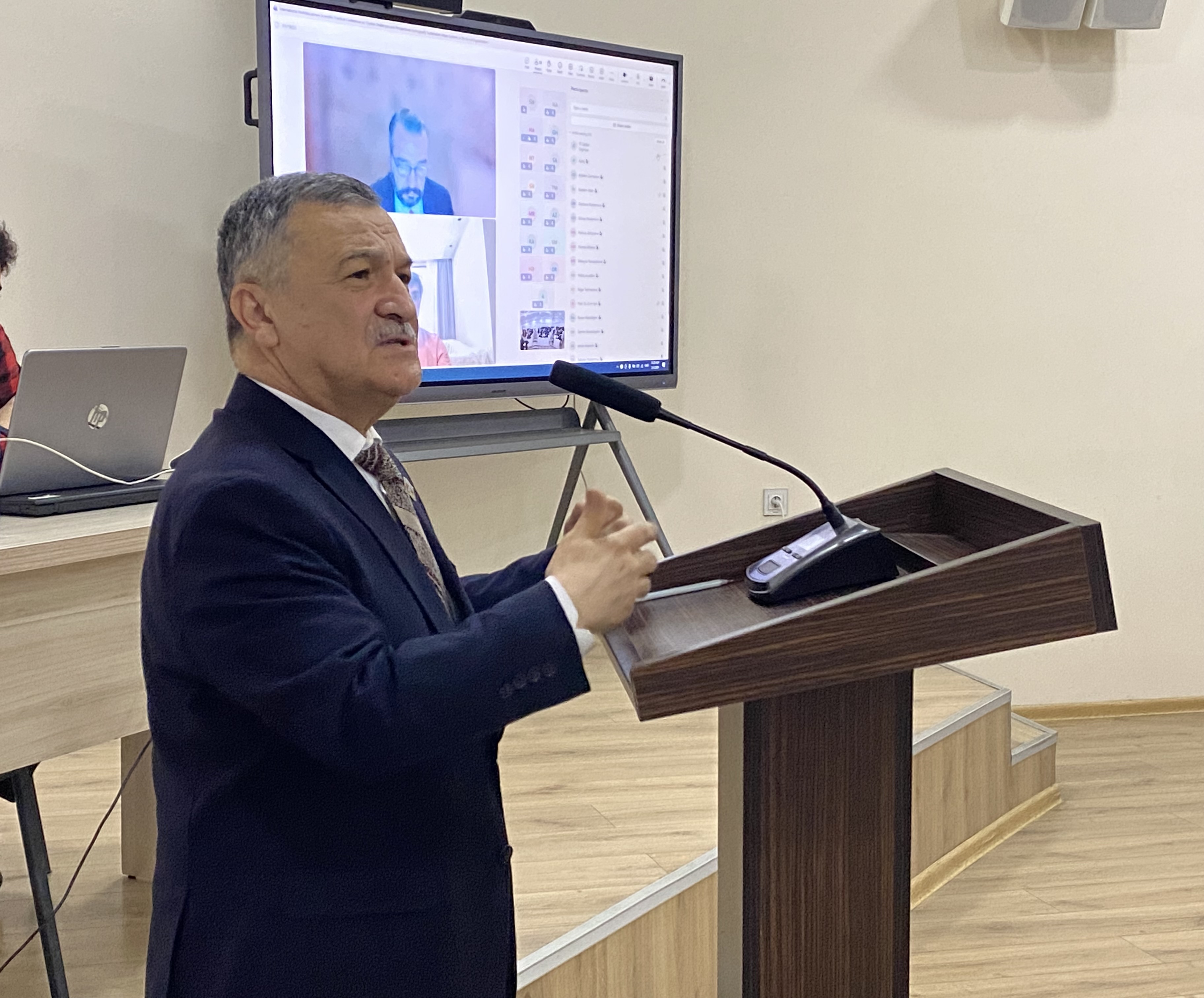
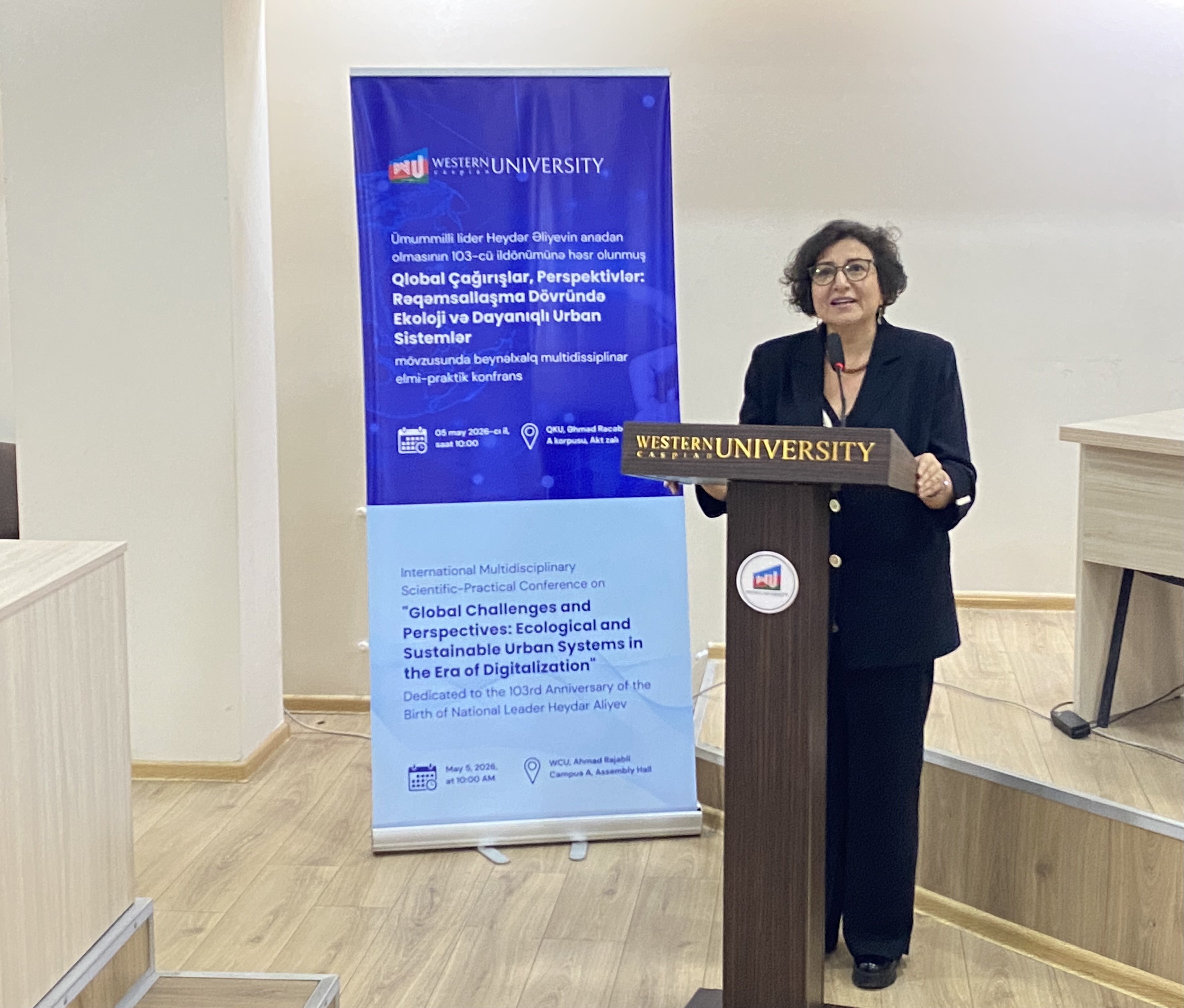
At the plenary session, Members of the Milli Majlis, Elnara Akimova and Aydin Mirzazade, delivered presentations. It was emphasized that, in the contemporary era, digitalization processes played a pivotal role in urban governance, ensuring environmental security, and shaping sustainable development strategies. In this regard, the application of scientific approaches and innovative technologies creates extensive opportunities for the more efficient and secure development of urban systems.
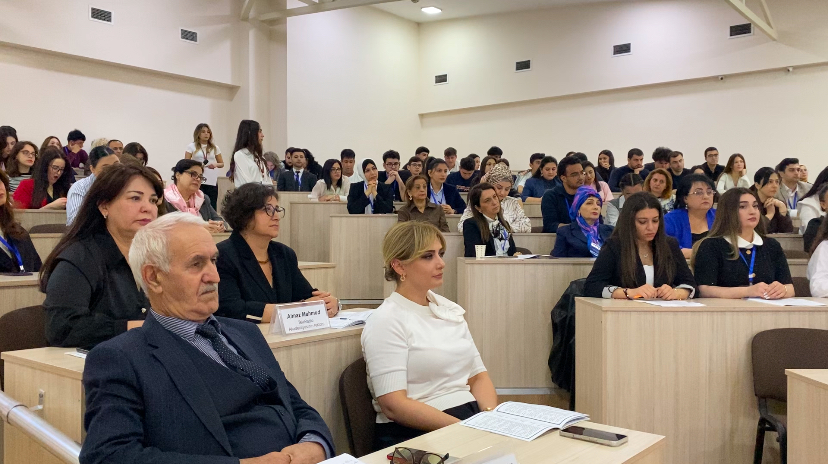
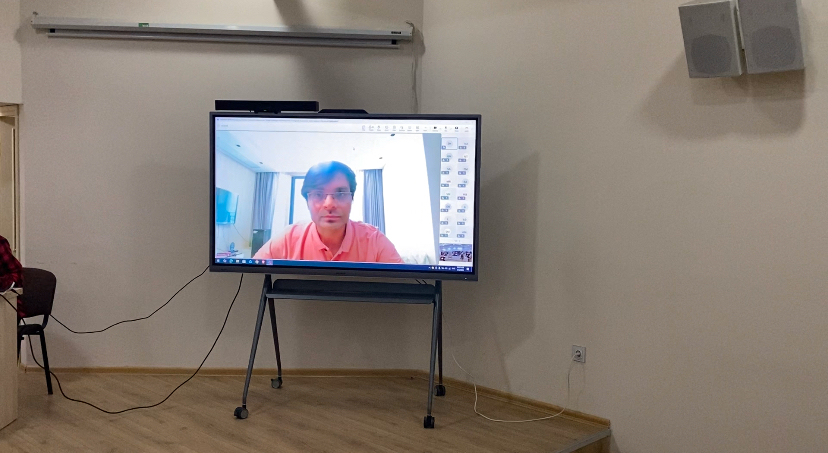
In turn, presentations were delivered by Cem Işık, Director of the Economic Research Center at Western Caspian University and Professor at Anadolu University; Baseem Khan, Professor of the Department of Information Technologies at Western Caspian University and of the Department of Electrical and Computer Engineering at Hawassa University; Almaz Mahmud, Rector of the Tele Radio Academy; Intigam Jabrayilov, Head of the Department of Theory and History of Education at the Institute of Education of the Republic of Azerbaijan; and Aydin Yahyayev, Head of the Department of Ecology and Environment at Western Caspian University.
It was noted that research conducted at Western Caspian University in the fields of digital technologies, environmental security, and sustainable development is being continued in alignment with contemporary challenges, and strengthening international cooperation in these areas remains one of the key priorities.
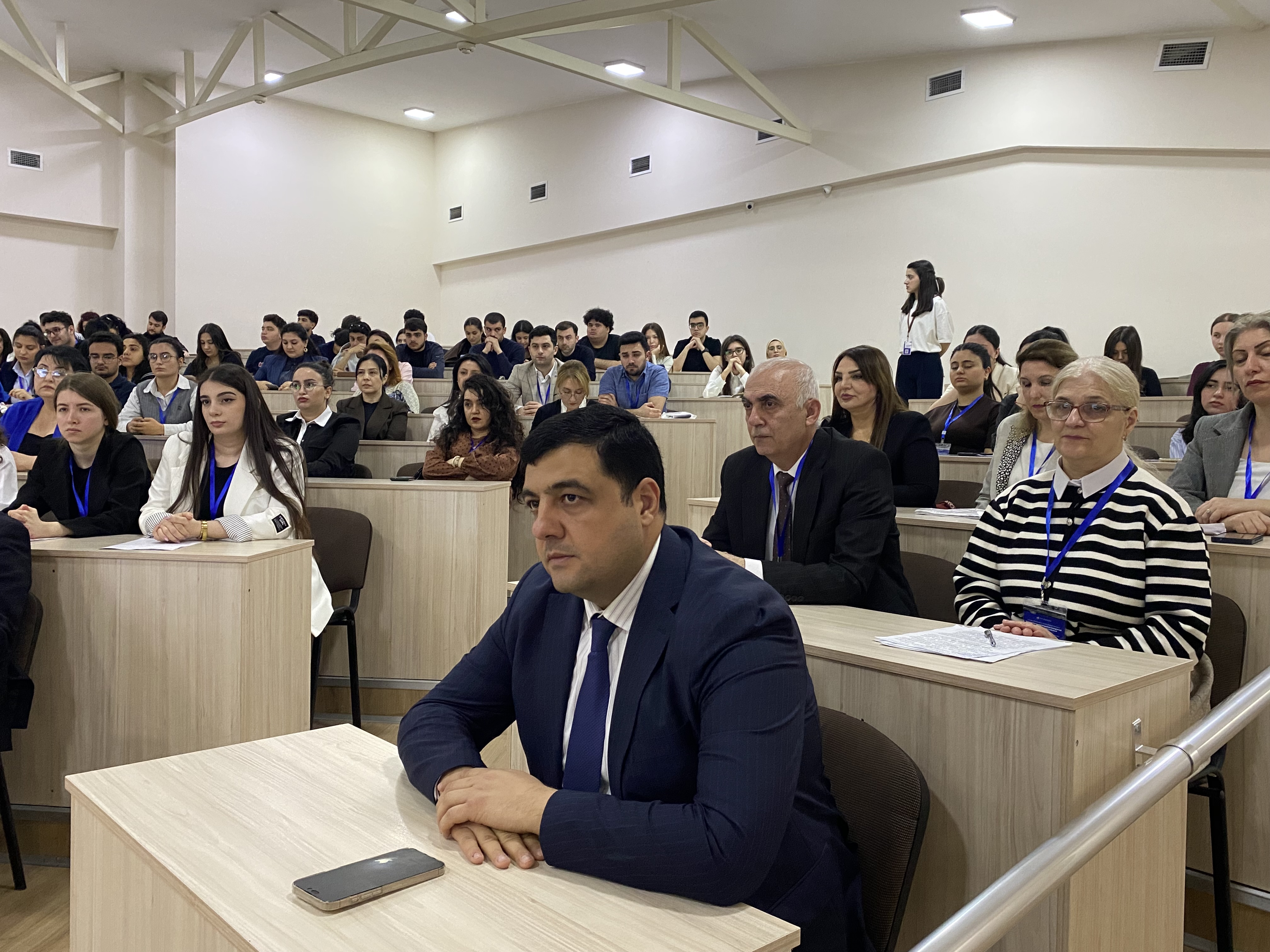
Within the framework of the conference, scientific research carried out at the higher education institution, the integration of digital technologies into the urban environment, and multidisciplinary studies on sustainable development, environmental security, and “smart city” concepts were presented to the broader academic community. The scientific results obtained during the event were discussed, and an exchange of views took place regarding their practical applications and future development prospects.